



Drill Fabric
What is Drill Fabric? Drill fabric is made of twill weave and is extremely durable. It varies from denim in that both t...
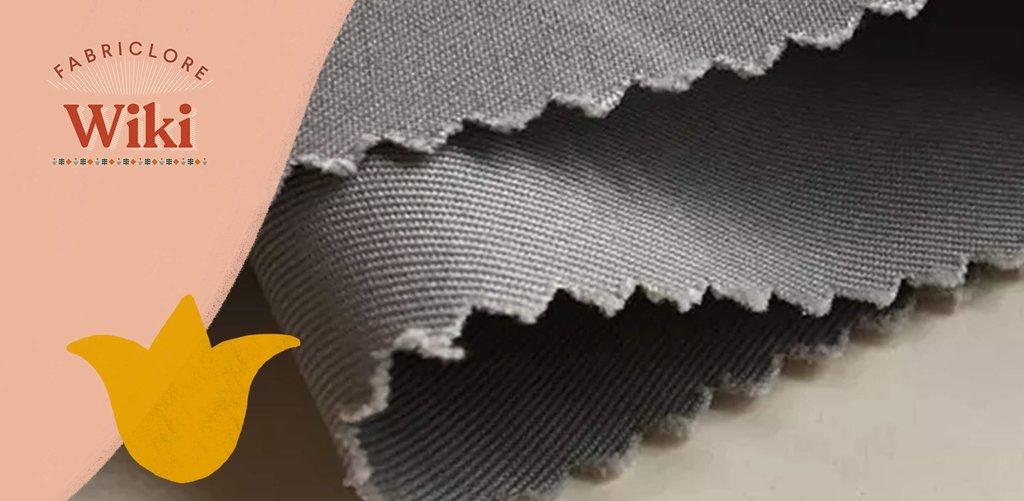


Table of Contents
What is Drill Fabric?
- Drill fabric is made of twill weave and is extremely durable.
- It varies from denim in that both the warp and weft threads are the same color, indicating a superior quality.
- It is often a medium or heavyweight fabric composed of cotton or linen.
- The fabric may be used with synthetic fibers to make textiles with a variety of characteristics.
History
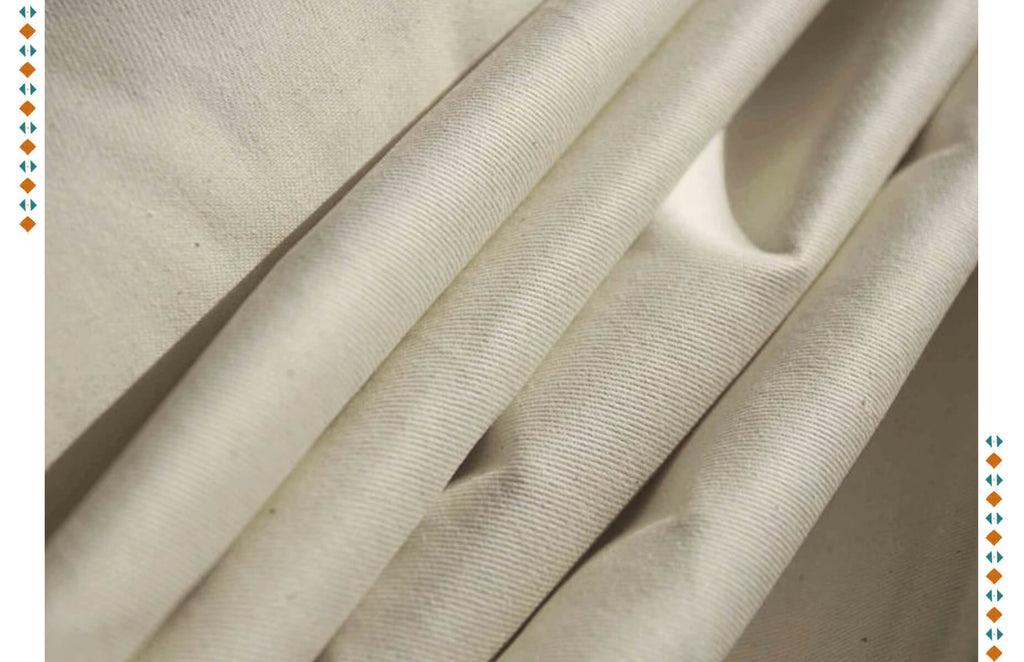
- During the British Empire's rule of India, troops wore uniforms made of white cotton drill colored to a tan that roughly matched the hue of the dusty surroundings in the 1840s.
- Because it provided great camouflage, the cloth quickly became a popular material for other military uniforms, and drill, like many other items, including the tee-shirt, became fashionable in casual attire after World War II, when soldiers returned to university.
- It is still used as a uniform today, particularly in the hospitality industry, because it is thick enough to shield the user from heat, durable, and comfortable.
What Makes it Stand Out?
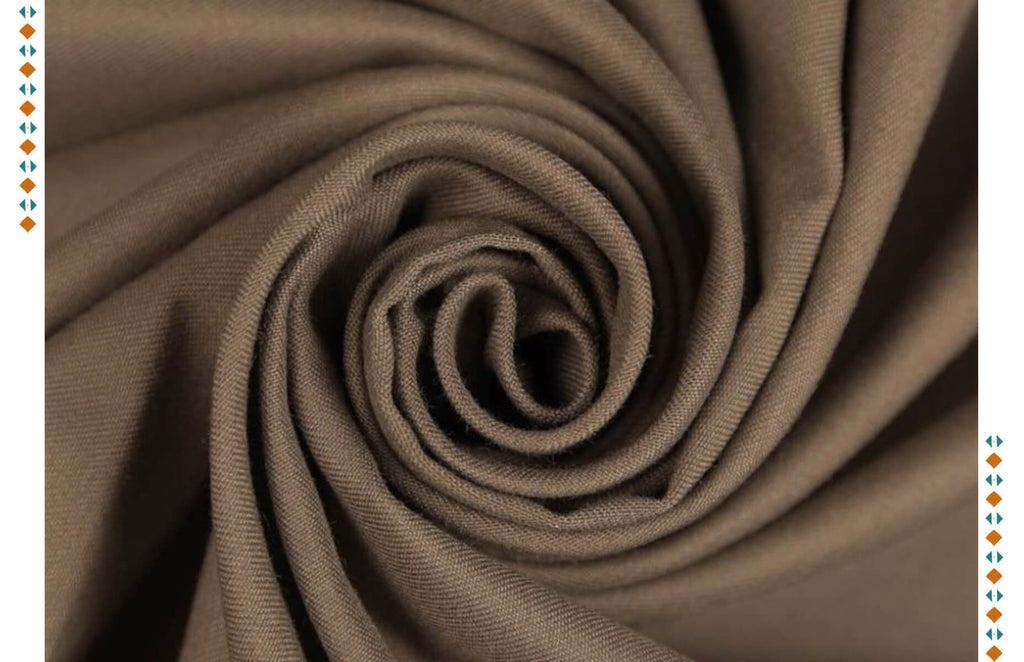
- Drill fabric is a versatile, sturdy cotton fabric made with coarse carded yarns in an intricate and dense pattern.
|
Texture |
Drill fabric is a flexible, strong cotton fabric created with coarse carded threads in a dense pattern. |
|
Easy to care |
Cotton drill fabric is quite easy to work with. All that is required is to recognize the presence of a grain line during cutting before stitching. |
|
Shine |
Light Sheen |
|
Sheer |
Opaque |
|
Durable |
The drill fabric's robust and lasting character will explain the fabric's life. Because of the existence of diagonal weaving, it can withstand extreme wear while remaining robust. It's a finely woven cloth. |
|
Comfort |
The fabric is noted for its optimum comfort and breathability. This is due to the fabric's inclusion of cotton. Depending on the situation, light weight or heavy weight drill fabric can be used. |
Application and Uses
|
Clothing |
Shirts, safari jackets, military uniforms, chef coats, etc. |
|
Home Furnishing |
Cushion cover, curtains, etc. |
|
Accessories |
Tents, canopies, canvas, etc. |
Care Instructions
- Simply washing and tumble drying the fabric to soften it is an option.
- Also, before sewing, the cloth should be washed to preshrink it and remove any extra discoloration.
- No need to iron the fabric often, but if required, regular iron would be better.


Share this news
Related News
Kashmir Silk Fabric
What is Kashmir Silk Fabric? Kashmiri silk is a natural protein fiber that may be woven into textiles in various forms....
Batiste Fabric
What is Batiste Fabric? Batiste is a kind of semi-transparent plain-weave fabric that is often used by the textile indu...
Chintz Fabric
What is Chintz Fabric? Chintz is a plain cotton fabric that ranges in weight from mild to heavy and is most often used ...
Burlap Fabric
What is Burlap Fabric? Jute is the plant from which burlap, a durable natural material, is derived. Because it is stur...
Buckram Fabric
What is Buckram Fabric? The cotton or hemp that is woven into buckram cloth results in a coarse, heavy, and open plain...
Batiste Fabric
What is Batiste Fabric? Batiste is a kind of semi-transparent plain-weave fabric that is often used by the textile indu...
Chintz Fabric
What is Chintz Fabric? Chintz is a plain cotton fabric that ranges in weight from mild to heavy and is most often used ...
Burlap Fabric
What is Burlap Fabric? Jute is the plant from which burlap, a durable natural material, is derived. Because it is stur...
/
Newsletter
Mailing
Get fabric trends delivered to your inbox.
Join our mailing list to stay updated on the latest in fabrics, sourcing solutions, and design inspiration.