



Calico Fabric
What is Calico Fabric? Calico fabric is a plain fabric created from half-processed and unbleached cotton fibers. It's a...
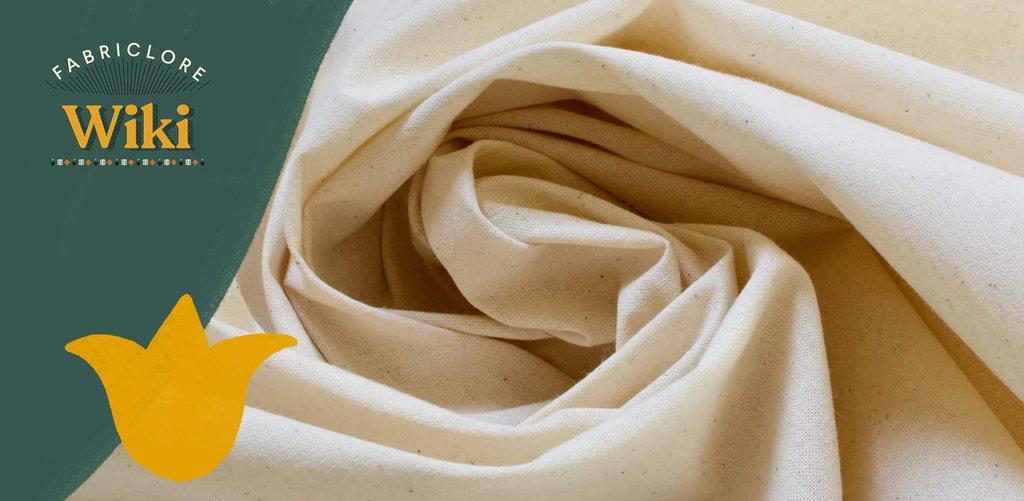


Table of Contents
What is Calico Fabric?
- Calico fabric is a plain fabric created from half-processed and unbleached cotton fibers.
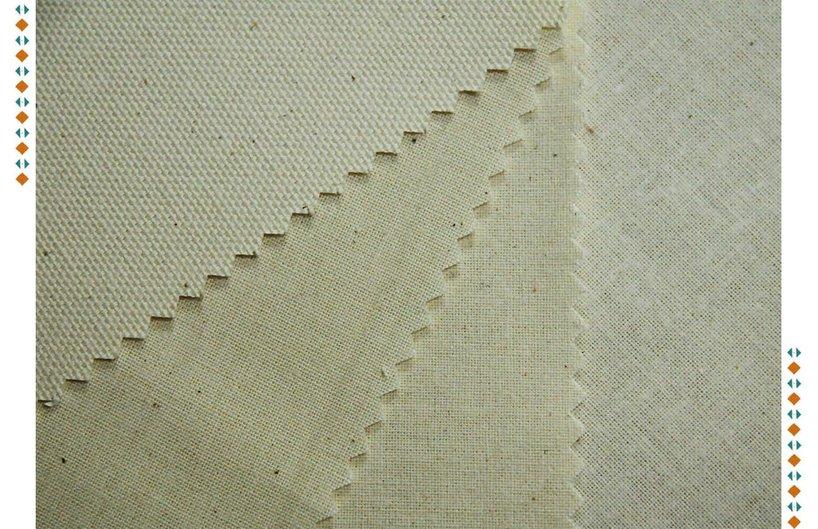
- It's a rough and coarse fabric, but it's not as durable as denim or canvas, and it's not as fine as muslin either.
- Calico is often sold at a much lower price than other fabrics because it isn't finished and hasn't been dyed or processed.
- As it often has a finish that is beige or gray-tinged cream, it is an excellent base for being dyed or printed on.
History
- Calico is one of the oldest materials still in use in India and has a rich cultural heritage as a result. During their rule in the nation, the British were responsible for the discovery of the fabric.
- Even though India did not have any industrial equipment at the time, historians believe the country produced around a fifth of all the fabric around the globe. The term "Calico" comes from the European name for the city of Kozhikode, which is located in the Indian state of Kerala (southwestern India).
- Hemachandra, a writer who lived in the 12th century, made reference to Calico in one of his works. He referred to it as a "printed fabric with a Lotus design" while he was describing it.
- In the 15th century, calico woven in the Indian state of Gujarat made its way to Egypt and other parts of Northern Africa. The 17th century saw the beginning of commercial relations with Europe. After the capture of a Portuguese ship in the 16th century that was carrying Indian calico as prized cargo, England got quite familiar with this kind of cloth and began using it extensively.
- Despite the fact that England's environment did not allow for the production of cotton, the country did its best to defend its textile industry against the rising demand for calico and cotton from India.
- By the middle of the 19th century, India's weaving industry was on the verge of extinction. Instead, cotton textiles made in Britain started to take their position in international marketplaces.
- In parallel with this, the British textile market began importing cotton from the United States in the early 1800s. They also devised machinery that could weave them swiftly and inexpensively, then operated by industrial employees who were given a minimal wage. When all of these things happened simultaneously, sales of British calico cotton goods shot up around the world and eventually surpassed those of hand-woven and hand-printed fabrics.
What Makes it Stand Out?
|
Texture |
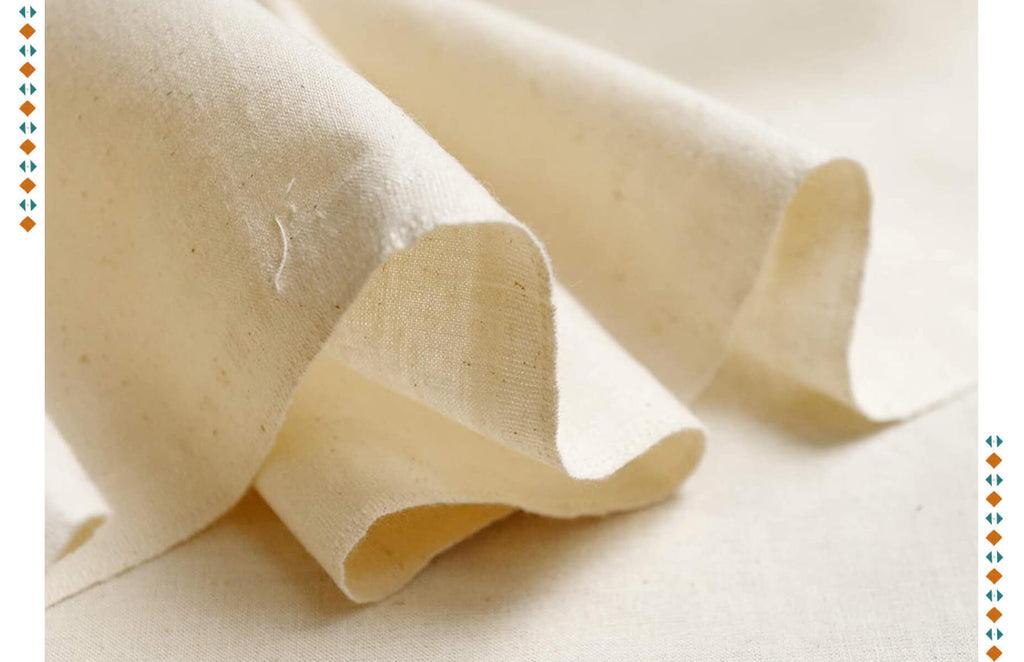
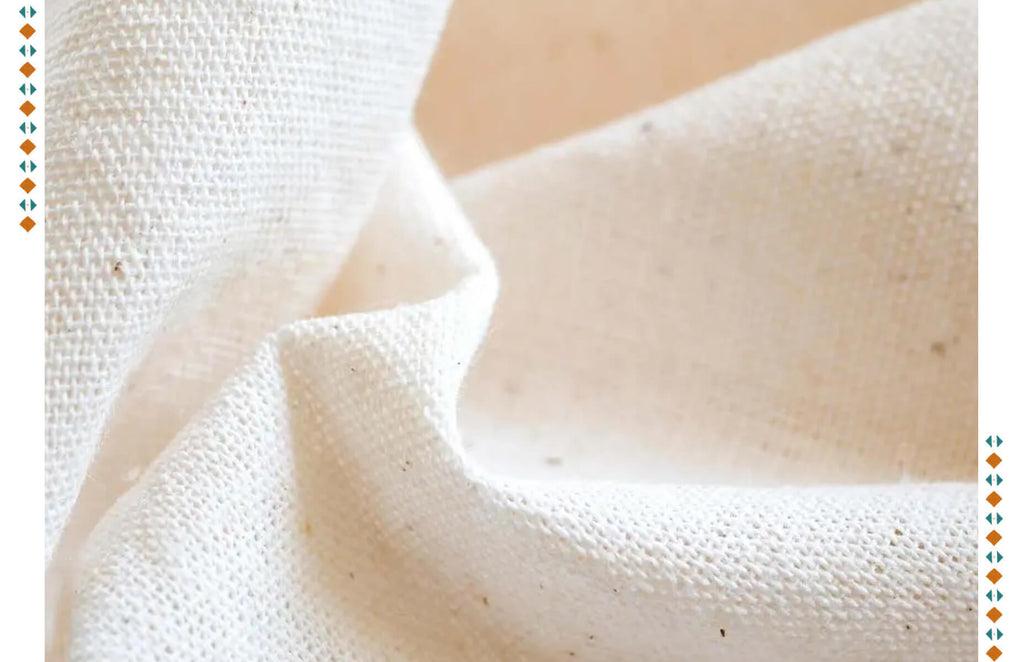
The fabric has a coarse and rough texture |
|
Fall |
It is not suitable for draping. |
|
Breathable |
The fabric passes air well with being breathable as it gives a feeling of comfort. |
Applications & Uses
|
Home Furnishing |
Aprons, curtains, bedsheets, etc. |
|
Accessories |
Art and crafts, home decoration, etc. |
New Age Innovations
- In accordance with modern times, it is used by fashion designers for the purpose of developing replicas.
- They use the calico fabric as a rough canvas for their experiments because it saves them money over purchasing more expensive materials.
Care Instructions
- Washing it by hand or in the washing machine on a regular basis would be the best way to keep it clean and durable.


Share this news
Related News
Kashmir Silk Fabric
What is Kashmir Silk Fabric? Kashmiri silk is a natural protein fiber that may be woven into textiles in various forms....
Drill Fabric
What is Drill Fabric? Drill fabric is made of twill weave and is extremely durable. It varies from denim in that both t...
Batiste Fabric
What is Batiste Fabric? Batiste is a kind of semi-transparent plain-weave fabric that is often used by the textile indu...
Chintz Fabric
What is Chintz Fabric? Chintz is a plain cotton fabric that ranges in weight from mild to heavy and is most often used ...
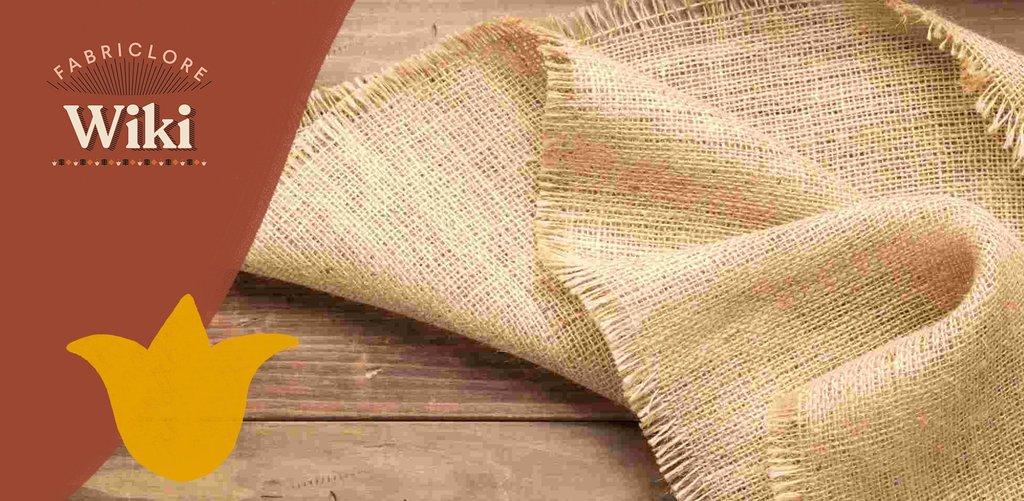
Burlap Fabric
What is Burlap Fabric? Jute is the plant from which burlap, a durable natural material, is derived. Because it is stur...
Drill Fabric
What is Drill Fabric? Drill fabric is made of twill weave and is extremely durable. It varies from denim in that both t...
Batiste Fabric
What is Batiste Fabric? Batiste is a kind of semi-transparent plain-weave fabric that is often used by the textile indu...
Chintz Fabric
What is Chintz Fabric? Chintz is a plain cotton fabric that ranges in weight from mild to heavy and is most often used ...
/
Newsletter
Mailing
Get fabric trends delivered to your inbox.
Join our mailing list to stay updated on the latest in fabrics, sourcing solutions, and design inspiration.