



Mohair Fabric
What is Mohair? The wool of the Angora goat, from which mohair is derived, is known for its exceptional softness. Beca...
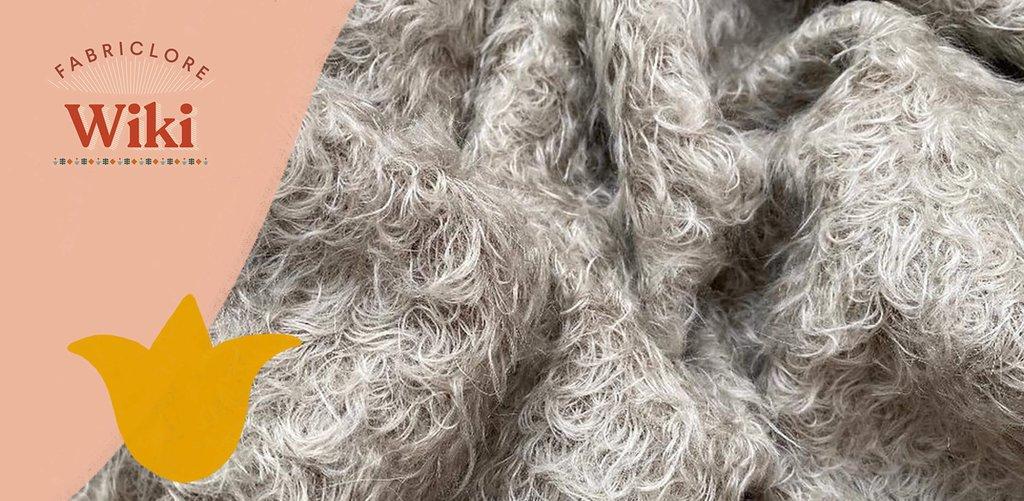


Table of Contents
What is Mohair?
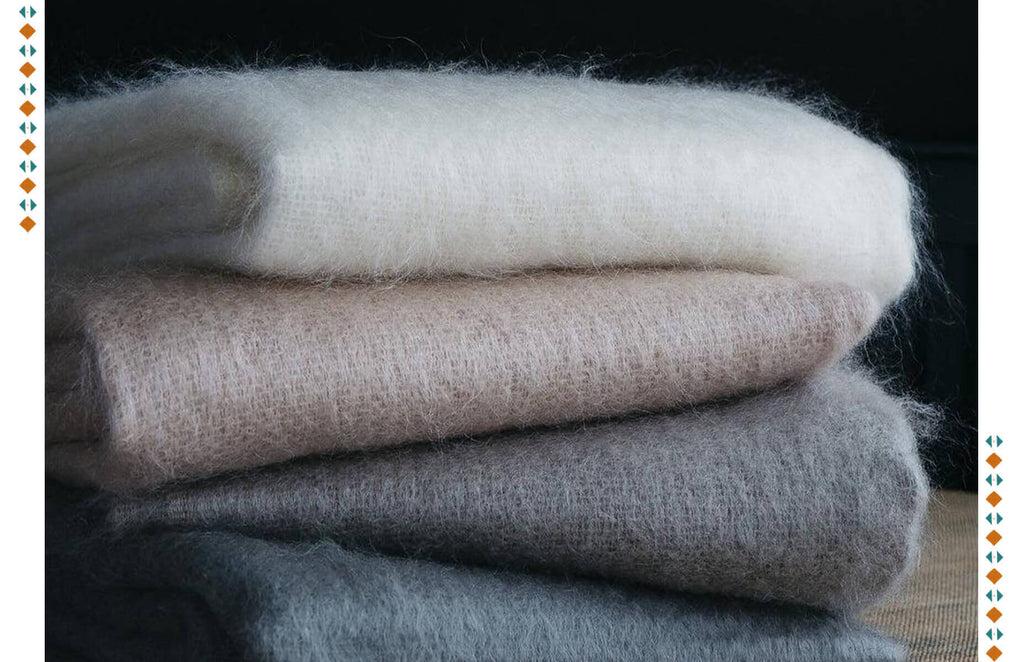
- The wool of the Angora goat, from which mohair is derived, is known for its exceptional softness.
- Because mohair wool has such a distinctive gloss and sheen, some people refer to it as "diamond fiber."
- When combined with other types of fibers, such as alpaca or merino, mohair is able to provide a lustrous quality to the finished product.
- The diameter of the fiber grows with the age of the goat, and the thinner fibers from young goats are more often used for apparel, such as sweaters, while the thicker and coarser fibers are more commonly used for carpets, upholstery, curtain fabric, and outerwear.
- Mohair is regarded as a luxury fiber, much like cashmere and Angora, and as a consequence, it has a higher price tag than regular sheep's wool.
- This is because the manufacturing process for mohair involves more steps than for conventional sheep's wool.
History
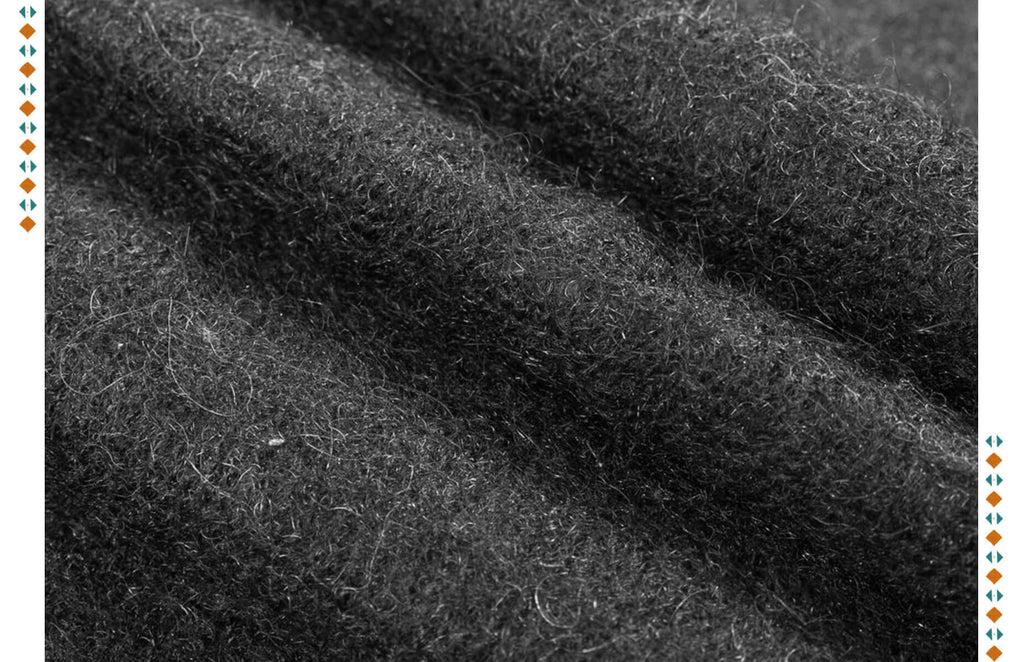
- Mohair was first produced in the Tibetan Himalayas, which is also where the Angora goat was first domesticated.
- The Angora goat was first brought to Turkey in the sixteenth century, specifically to the Turkish district of Ankara, from where the English word "angora" derives.
- Almost all of the world's Angora goats were raised on farms in and around Ankara until 1849 when one of these goats was presented as a gift to a cotton farmer in the United States in recognition of his assistance to Turkey in the cultivation of cotton.
- Today, the mohair business is focused around South Africa, which is the biggest grower of angora goats and exporter of mohair.
- Argentina, Turkey, and the state of Texas in the United States are all major players in the mohair industry. Mohair is also produced in and exported from New Zealand and Australia but to a smaller level.
What Makes it Stand Out?
|
Texture |
|
|
Shine |
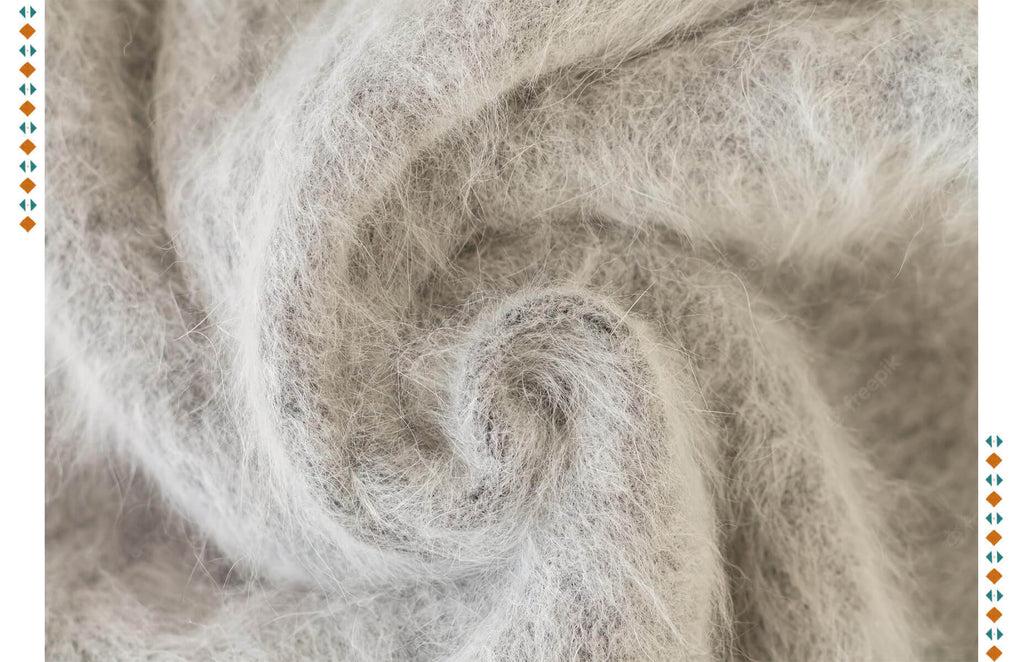
Mohair has a lustrous and glossy appearance that is quite comparable to silk's appearance. |
|
Durable |
Mohair, much like other natural wool fibers, is very sturdy and long-lasting. Mohair is more durable than steel of the same size, which is an interesting fact. |
|
Absorbent |
Mohair, like most wool, has the ability to drain away moisture and is inherently resistant to flame. |
Application and Uses
|
Apparel |
Sweaters, socks, gloves, etc. |
|
Home Furnishing |
Carpets, cushion covers, etc |
Care Instructions
- Soak in water that is just above room temperature while using a gentle detergent that is designed for washing wool, or even shampoo.
- Rinse with water that is pure and cold.
- To dry, either suspend from a line or lay flat.
- After it has dried, give it a good shake or brush it (with a paintbrush) to get the pile back.
- Do not dry with a tumble dryer.
We also happen to be a magnet for suggestions, and would love to catch yours….throw us yours on hello@fabriclore.com


Share this news
Related News
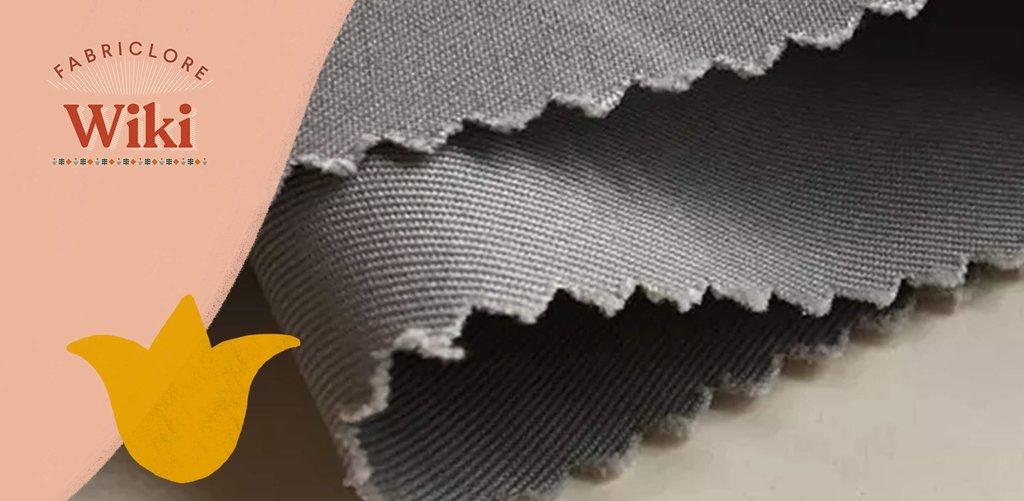
Drill Fabric
What is Drill Fabric? Drill fabric is made of twill weave and is extremely durable. It varies from denim in that both t...
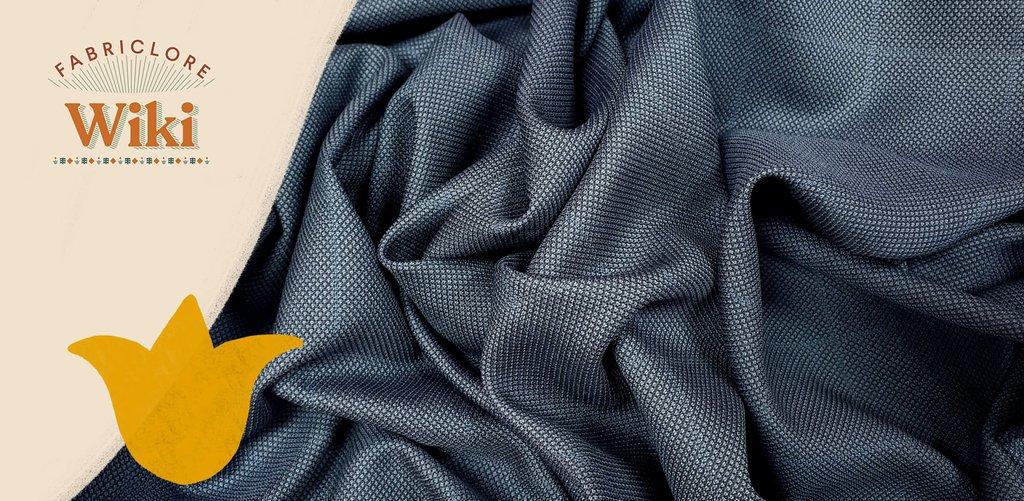
Kashmir Silk Fabric
What is Kashmir Silk Fabric? Kashmiri silk is a natural protein fiber that may be woven into textiles in various forms....
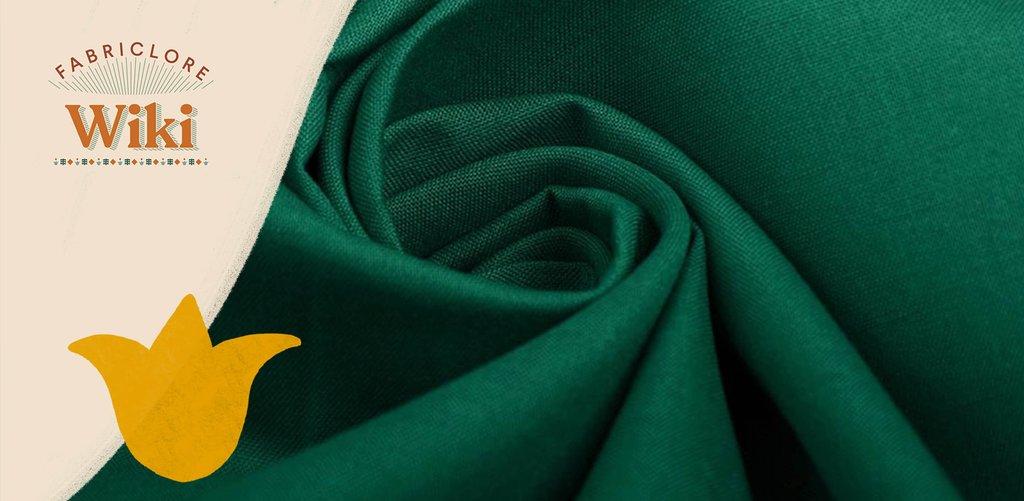
Batiste Fabric
What is Batiste Fabric? Batiste is a kind of semi-transparent plain-weave fabric that is often used by the textile indu...
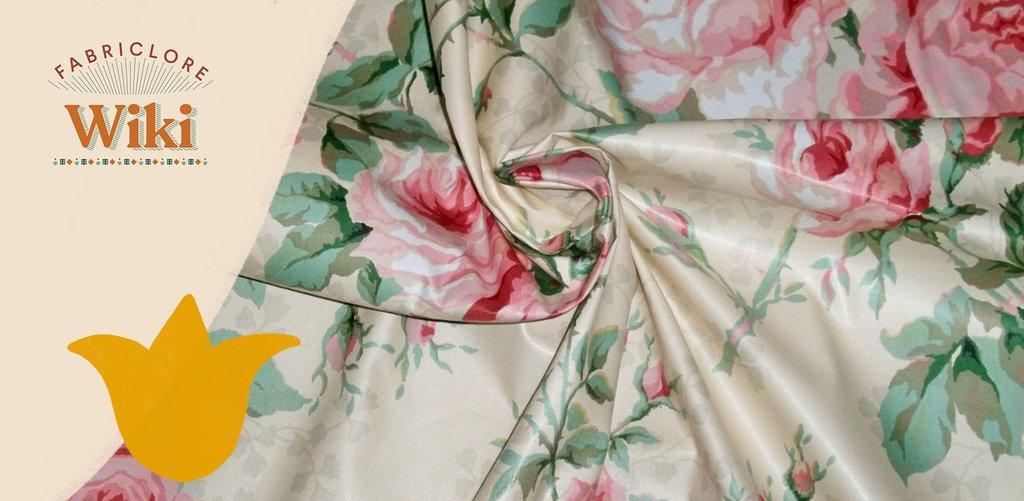
Chintz Fabric
What is Chintz Fabric? Chintz is a plain cotton fabric that ranges in weight from mild to heavy and is most often used ...
Buckram Fabric
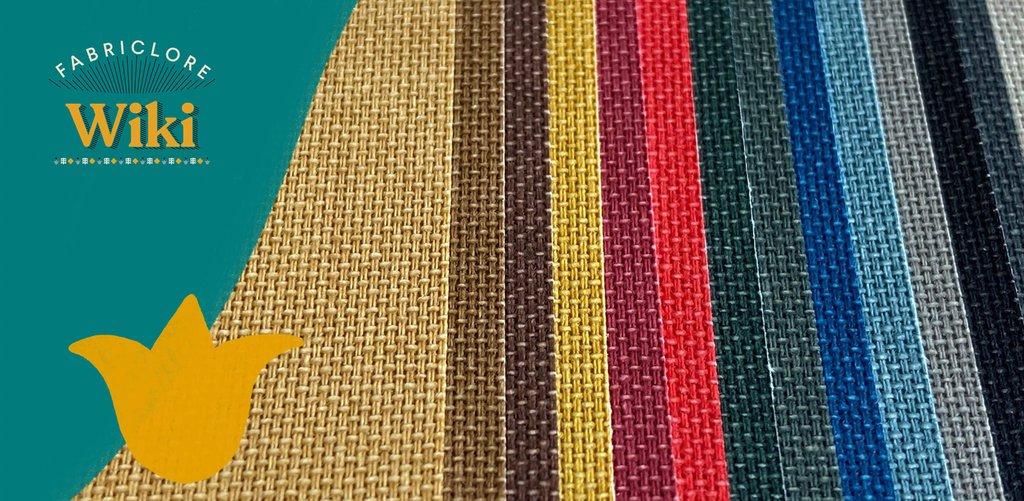
What is Buckram Fabric? The cotton or hemp that is woven into buckram cloth results in a coarse, heavy, and open plain...
Kashmir Silk Fabric
What is Kashmir Silk Fabric? Kashmiri silk is a natural protein fiber that may be woven into textiles in various forms....
Batiste Fabric
What is Batiste Fabric? Batiste is a kind of semi-transparent plain-weave fabric that is often used by the textile indu...
Chintz Fabric
What is Chintz Fabric? Chintz is a plain cotton fabric that ranges in weight from mild to heavy and is most often used ...
/
Newsletter
Mailing
Get fabric trends delivered to your inbox.
Join our mailing list to stay updated on the latest in fabrics, sourcing solutions, and design inspiration.